4C works towards sustainable coffee supply chains and improved livelihoods of farmers
As an independent, stakeholder-driven, internationally recognized sustainability standard for the entire coffee sector, 4C aims at anchoring sustainability in coffee supply chains across environmental, social and economic dimensions. 4C is a credible and robust system, applying innovative audit and risk assessment procedures, and is strengthened by a comprehensive integrity program. 4C System brings real impact on the ground, enabling continuous improvement and enhancing smallholder livelihoods, and supports companies in achieving and keeping their sustainability commitments.
- 4C certification applies high standards on economic, social and environmental conditions for coffee production and processing to establish sustainable, trustworthy and fair coffee supply chains.
- 4C certified coffee has been produced in accordance with the 4C Code of Conduct, a set of baseline sustainable practices and principles for the production of green coffee beans.
News & Events
Empowering Female Coffee Farmers: The Transformative Impact of the 4C Gender Equality Add-On in Colombia
The 4C Code of Conduct has established specific criteria to tackle the root cause of discrimination and inequality. Going a step further, the 4C Gender Equality (GE) Add-On continues this path of female empowerment by fostering the transformation of social norms translating them into actions.
Read more here
News: Measuring, reducing and offsetting emissions in coffee with the new 4C Carbon Footprint Add-On
4C Services is proud to announce the launch of the new 4C Carbon Footprint Add-On which promotes climate friendly coffee cultivation and supply chains. The Add-On allows system users to calculate their carbon footprint, to identify emission reduction options and to use carbon offsetting for remaining emissions.
Read more here
News: Improving working and living conditions for coffee smallholders in Magdalena (Colombia)
4C partners with Melitta Europa GmbH & Co. KG. – Division Coffee – and DEG to foster sustainability in Colombian coffee production and support smallholder farmers and their families.
Read an update on the project’s activities and result here
Create a sustainable future for coffee
The 4C Code of Conduct enables coffee farmers in 18 countries to participate in sustainable markets and profit from higher economic outcomes, improved and fair working conditions and the preservation of precious landscapes and biodiversity. To achieve these goals, the 4C Code of Conduct applies important criteria in the three dimensions of sustainability:
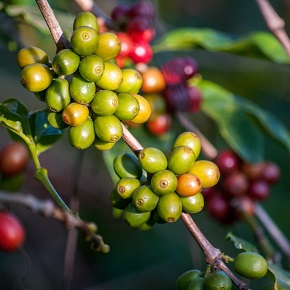
Economic dimension
- Business Management
- Capacity and Skill Development
- Access to Services and Market Information
- Traceability
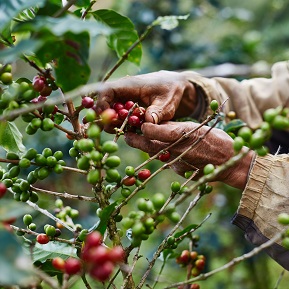
Social dimension
- Human and Labour Rights
- Working conditions

Environmental dimension
- Protection of Biodiversity and High Carbon Stock Areas
- Use of Pesticides and Other Hazardous Chemicals
- Soil Conservation and Fertility
- Water Conservation
- Waste Management
- Energy Consumption
4C stands for reliability
4C is a trustworthy and secure system, relying on innovative technology and profound training to monitor the compliance and continuous improvement of participating farmers and partners along the supply chain.
Contact us
We are happy to discuss individual solutions with you. Please get in touch and contact us directly.